
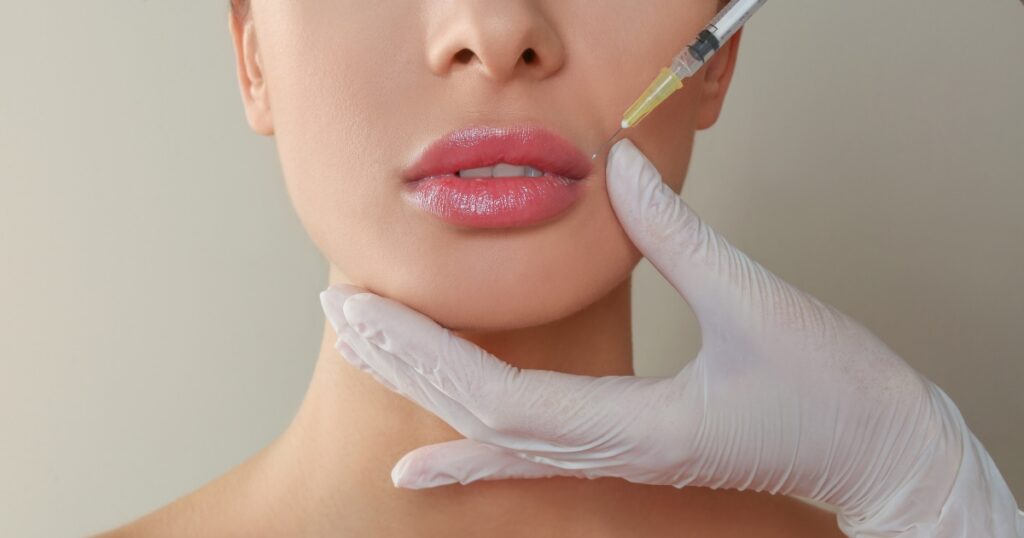
If you want to have fuller, more beautiful lips, you may be thinking about getting lip fillers. This cosmetic procedure safely adds volume to your lips to give you natural-looking results. However, the filler will break down over time, and you’ll need touch-ups to maintain the fullness you want.
So, how often do you need to get lip fillers? Many factors determine the answer to this question. Keep reading to see what affects your results and what you can do to keep your lips full for as long as possible.
How Long Do Lip Fillers Last?
Some people have longer-lasting results than others. Lip fillers wear off over time, and the results usually last 12-18 months.
Many factors affect the longevity of the results, including:
- Your Metabolism: People with a lower metabolism usually have longer-lasting results since a high metabolism breaks down the lip filler more quickly.
- Lifestyle Habits: Living a healthy lifestyle that includes drinking plenty of water and eating nutritious foods will help your results last longer.
- Exposure to UV Rays: Sun exposure can cause your lip filler to break down faster. Using a lip balm with SPF can help your results last longer.
- The Injector’s Skill: A highly skilled injector knows how to place the injections in a way that leads to even, longer-lasting results.
- The Type of Lip Filler Used: Each lip filler is made differently, and some are designed to last longer than others.
In addition to lifestyle and health factors, the longevity of lip fillers also depends on the actual type of lip filler you receive. Here’s a breakdown of how different formulas work and break down over time:
Restylane
Restylane is a popular lip filler that contains hyaluronic acid, a molecule that makes lips fuller by retaining water. This injectable adds volume to lips while reducing the appearance of fine lines around the mouth.
Usually patients will start to see results in a week or two, after the gel settles in, and the results last from six to twelve months. The results depend in part on the formula used. Restylane Silk lasts about six months, whereas Restylane Refyne and Resylane Lift typically last around one year.
Juvéderm
A popular option, this lip filler has been around for decades, and lasts longer than Restylane. Each Juvéderm formulation offers different benefits.
For instance, Juvéderm Ultra XC contains hyaluronic acid and lidocaine, which reduces discomfort. Made with Vycross technology, Juvéderm Volbella XC and Juvéderm Vollure XC contain cross-linked molecules, which strengthen the gel, so it’ll dissolve more slowly over time.
After lip filler settles in a week or two, Juvéderm Ultra XC usually lasts for 6-12 months and formulas with Vycross technology for 12-18 months.
Botox Lip Flip
Even though it’s mainly known for treating fine lines and wrinkles, Botox lip flip’s can make lips appear fuller. Injecting it around the mouth causes the upper lip muscles to relax. As a result, the upper lip rolls outward and looks fuller. This procedure is known as a lip flip.
The primary ingredient, Botulinum toxin, temporarily relaxes facial muscles and wears off over time. Usually, patients can enjoy the results for 3-4 months before needing a touch-up.
How Often Do You Have to Get Lip Fillers Redone?

The answer to this question varies due to the type of filler used, your health, and your age. However, most patients need touch-ups every 6-12 months. If you’re thinking about getting lip fillers, schedule a consultation with a medical professional to make sure you’re getting the best type for you.
What Affects How Often You Need Lip Filler Touch-Ups?
The type of lip filler you choose is one of the biggest factors that determines how long your results will last. However, there are things you can do to help your lips stay fuller longer. In general, the results last longer for patients who live a healthy lifestyle and follow their provider’s lip filler aftercare instructions.
Here are some of the biggest factors that determine how often you need lip filler touch-ups:
Facial Features
During a consultation, a provider will examine your current cosmetic condition before recommending a treatment. This process will help your skincare specialist determine which type of filler is right for you based on your features and cosmetic goals.
The injector will assess:
- Lip size and volume
- Lip symmetry
- Skin elasticity
Sometimes more than one injectable can be used, especially if the patient wants to also reduce the appearance of wrinkles.
Patients with subtle cosmetic issues can more easily maintain their results and probably won’t need more than one or two touch-ups a year. However, patients who have lost a lot of volume in their lips due to aging will need more touch-ups.
Lifestyle
Generally, patients who live a healthier lifestyle will have longer-lasting results. Tips to help your results last include:
- Don’t take blood-thinning medications.
- Avoid strenuous workouts.
- Don’t go to a sauna.
- Get plenty of sleep.
- Manage your stress levels.
- Drink plenty of water.
- Use a lip balm with SPF 30 or higher.
- Have a balanced diet.
- Don’t smoke or drink alcohol.
- Wear sunscreen when you go outside.
- Stay out of direct sunlight for at least 5 days.
- Go to your follow-up appointments.
Age
Since younger patients have a higher metabolism than older patients, their lip filler will break down faster. As a result, they will usually need more touch-ups to maintain their results.
How Do I Know If My Lips Need Redone?
Keeping an eye on your lip fillers is the key to sustainable plump, hydrated lips. This allows you to determine when it’s time for a touch-up and coordinate with your doctor to achieve the perfect lip filler maintenance sessions lined up. You should look at the size of your lips and analyze the texture, also feel them. Your lips will start to look smaller and more wrinkled or softer as the filler degrades.
Signs You Need to Get a Lip Filler Touch-Up

It may be time for a lip filler touch-up when you notice the following signs:
- A decrease in volume
- Changes in shape
- Fine lines reappearing
What Happens If I Get Lip Fillers Redone Too Soon?
If you get lip filler touch-ups before your swelling and bruising have subsided, you put yourself at risk for several complications, including:
- Overfilling
- Unevenness
- Lip filler migration or displacement
- An unnatural appearance
- More bruising and tenderness
- A longer recovery time
What Happens at a Lip Filler Touch-Up Appointment
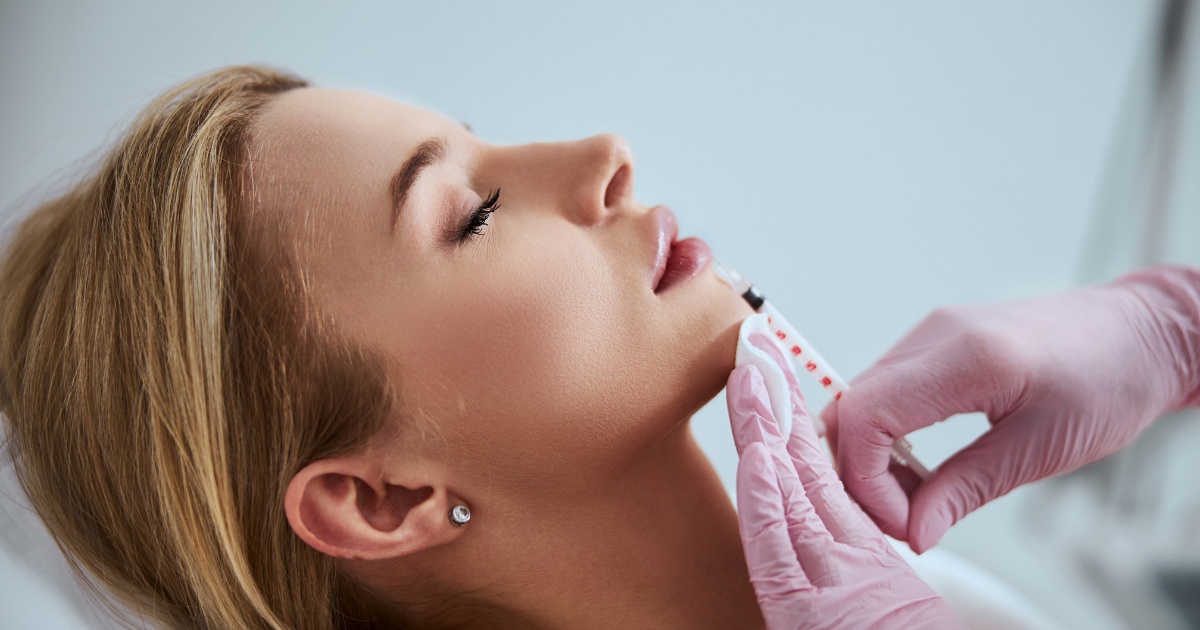
When it’s time for a touch-up, you’ll have a consultation to discuss your desired results, and your provider will examine your lips and determine the best solution to restore volume.
To prepare for your touch-up appointment, it’s best to avoid blood-thinning medications for at least a week. Drinking plenty of water will help your body heal after the procedure. As you get closer to your appointment, limit coffee, alcohol, and caffeine, and avoid harsh skincare treatments like waxing.
Before the injections, your doctor may provide a numbing cream, which will reduce discomfort. Touching up your lip fillers will also be a shorter process than your initial appointment since less filler will be used.
After the procedure, it’s normal to experience some minor swelling, but it will go away within a few days. Following your provider’s lip filler aftercare guidelines will help you heal more quickly and have the best results possible.
Plump Your Lips to Perfection on Long Island, NY
If you want fuller lips, getting lip injections could give you volume, helping you feel more confident in your appearance. Whether you want a subtle effect or noticeable plumping, our team at North Shore Medical Wellness will help you achieve the look you desire.
As the best lip filler provider on Long Island, we’re proud to serve Suffolk County. With our highly experienced injectors, you can count on us to give you natural-looking results you’ll love. We’ll also make sure you’re getting the right lip filler to meet your cosmetic goals and getting touch-ups when you need them.
Ready for a consultation with us? Call (631) 551-5131 today to take the next step toward achieving more beautiful, voluminous lips.
Disclaimer: The information provided is for educational purposes and should not replace professional medical advice. Consult with our healthcare professionals to determine the best treatment plan for you. Individual results may vary.