
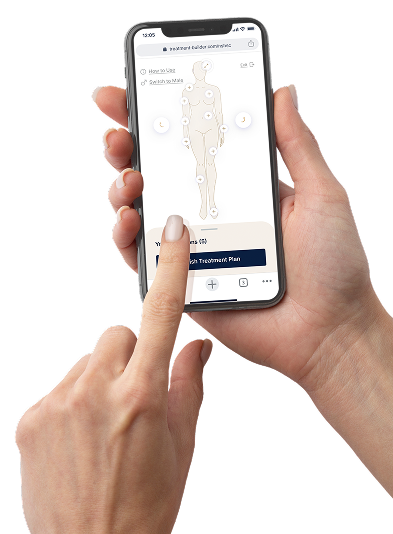
Strengthens muscles supporting bladder control for improved continence.

Urinary Incontinence Treatment in Huntington, NY
Regain Control & Confidence
Safe, effective solutions for bladder leakage and urinary urgency.

Understanding Urinary Incontinence
Urinary incontinence affects millions, causing leakage, urgency, and frustration. Our team in Huntington, NY provides personalized, non-surgical, and minimally invasive treatments to help patients regain control and improve their quality of life.
Know Your Symptoms
Urinary incontinence can take many forms, each requiring tailored treatment options.
Stress Incontinence
Leakage caused by coughing, sneezing, or exercise due to weak pelvic muscles.
Urge Incontinence
Sudden, strong urges to urinate that may lead to accidental leakage.
Mixed Incontinence
A combination of stress and urge incontinence symptoms affecting daily life.
Overflow Incontinence
Constant dribbling or incomplete emptying caused by a blocked or weak bladder.
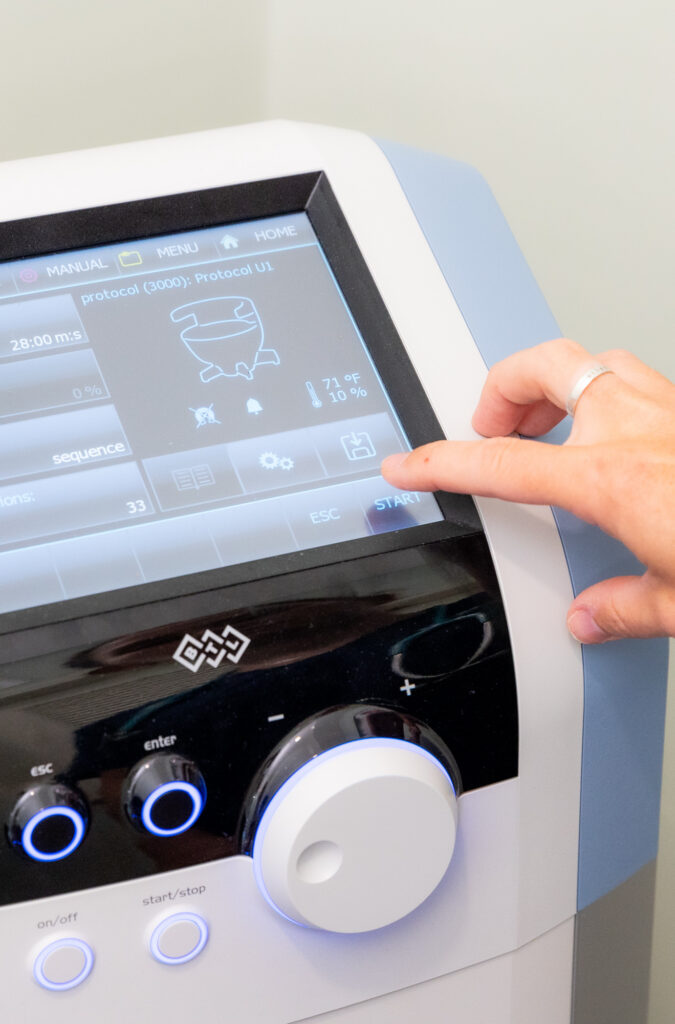
Helps retrain bladder habits and reduce urgency or leakage episodes.
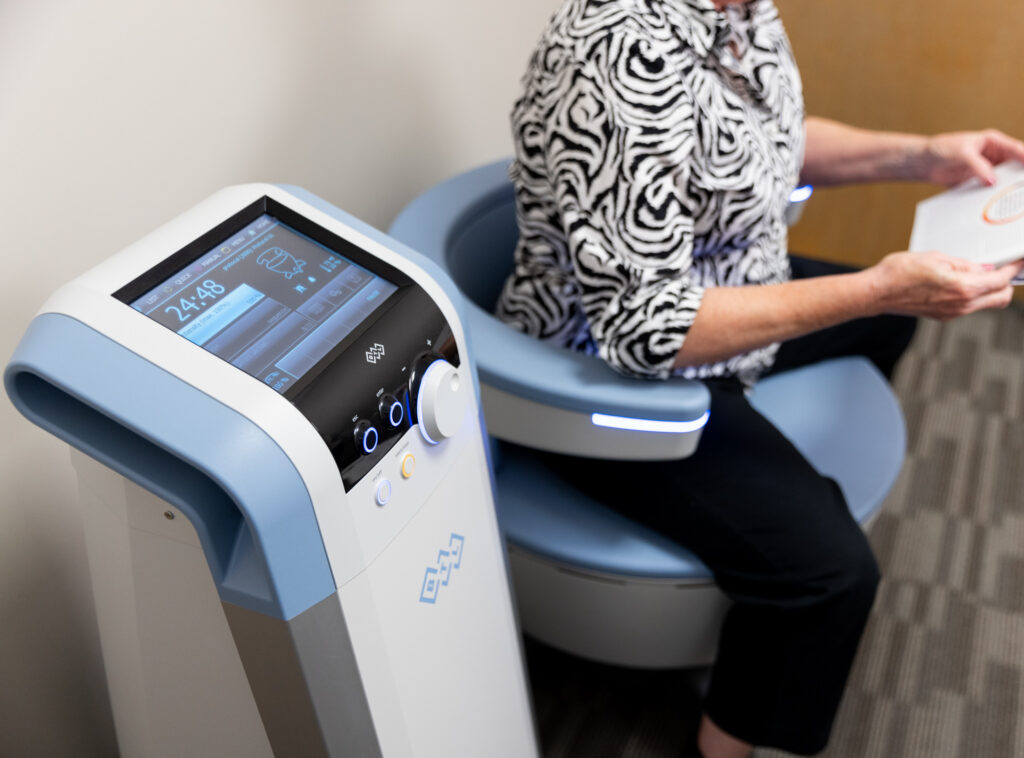
Targeted interventions to strengthen or support the bladder and urethra.
Custom-tailored medications to reduce urgency, frequency, and involuntary leakage.

You’re Not Alone
25 %
Women experience stress urinary incontinence at some point.
10 M+
Adults in the U.S. have some form of urinary incontinence.
50 %
Adults with bladder leakage never seek treatment.
Our Approach
Expert Care for Bladder Health
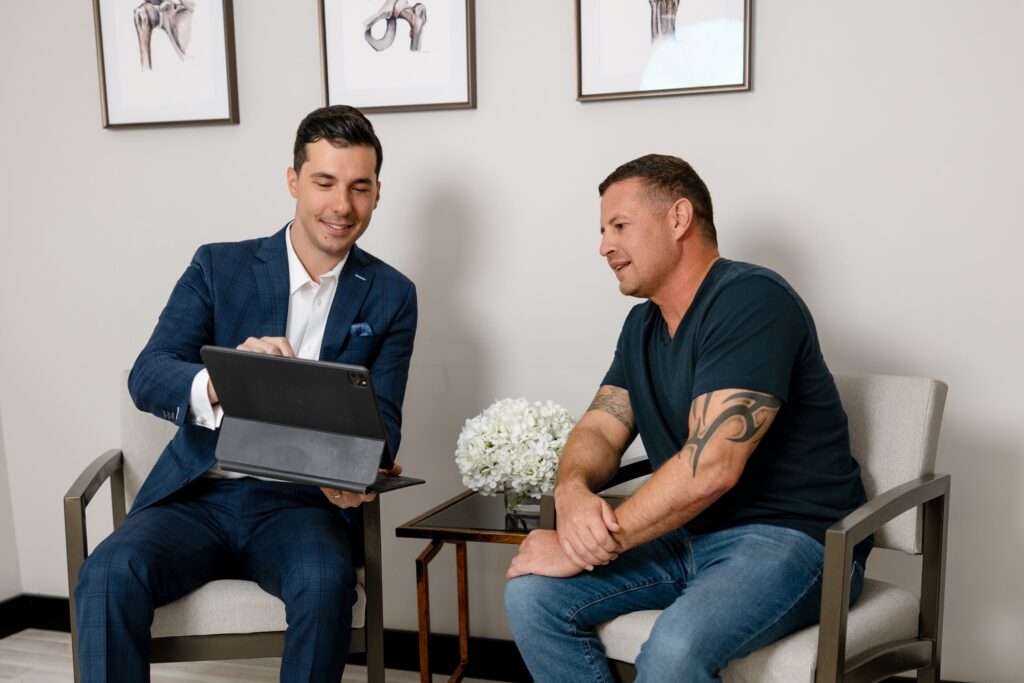
At North Shore Medical Wellness, we combine advanced diagnostics, patient-focused treatment plans, and compassionate care to help patients regain independence and confidence.
Frequently Asked Questions
Urinary incontinence can result from a variety of factors, often related to the muscles, nerves, or structures that support bladder function. Weakening of the pelvic floor muscles, which can occur due to aging, pregnancy, or childbirth, is a common cause. Nerve damage from conditions like diabetes, multiple sclerosis, or spinal injuries can also impair bladder control. Additionally, certain medical conditions—such as an enlarged prostate in men, urinary tract infections, or neurological disorders—can lead to leakage. Lifestyle factors, medications, and chronic coughing or obesity may further increase the risk. In many cases, multiple factors combine to cause incontinence, highlighting the importance of a comprehensive evaluation to determine the most effective treatment plan.
Yes. Many patients can achieve significant improvement without surgery through a variety of non-invasive or minimally invasive approaches. Pelvic floor physical therapy, also called Kegel exercises, strengthens the muscles that support the bladder and urethra. Bladder training programs can help patients gradually increase the time between urination and reduce urgency. Lifestyle modifications, such as weight management, fluid timing, and dietary changes, can also reduce leakage episodes. Additionally, certain medications can help control overactive bladder symptoms or improve urethral closure. These options are often combined for a personalized plan that targets the patient’s specific type of incontinence, providing effective symptom relief and improving quality of life.
It’s important to seek evaluation if urinary leakage interferes with your daily routine, sleep, work, or social activities. Even occasional leaks can affect confidence, relationships, and emotional well-being. Early intervention often allows simpler, non-surgical treatments to be effective, preventing progression and more serious complications. If you notice frequent urgency, inability to control bladder function, or recurrent urinary tract infections, we recommend consulting a specialist. A healthcare provider can assess your symptoms, determine the underlying cause, and develop a personalized treatment plan tailored to your needs. They can help you regain control and maintain an active, confident lifestyle.
Your Journey to Relief Starts Here
Take the next step toward clarity, comfort, and long-term health with guidance from our team.