
We review your symptoms and medical history to confirm a spinal fluid leak diagnosis.
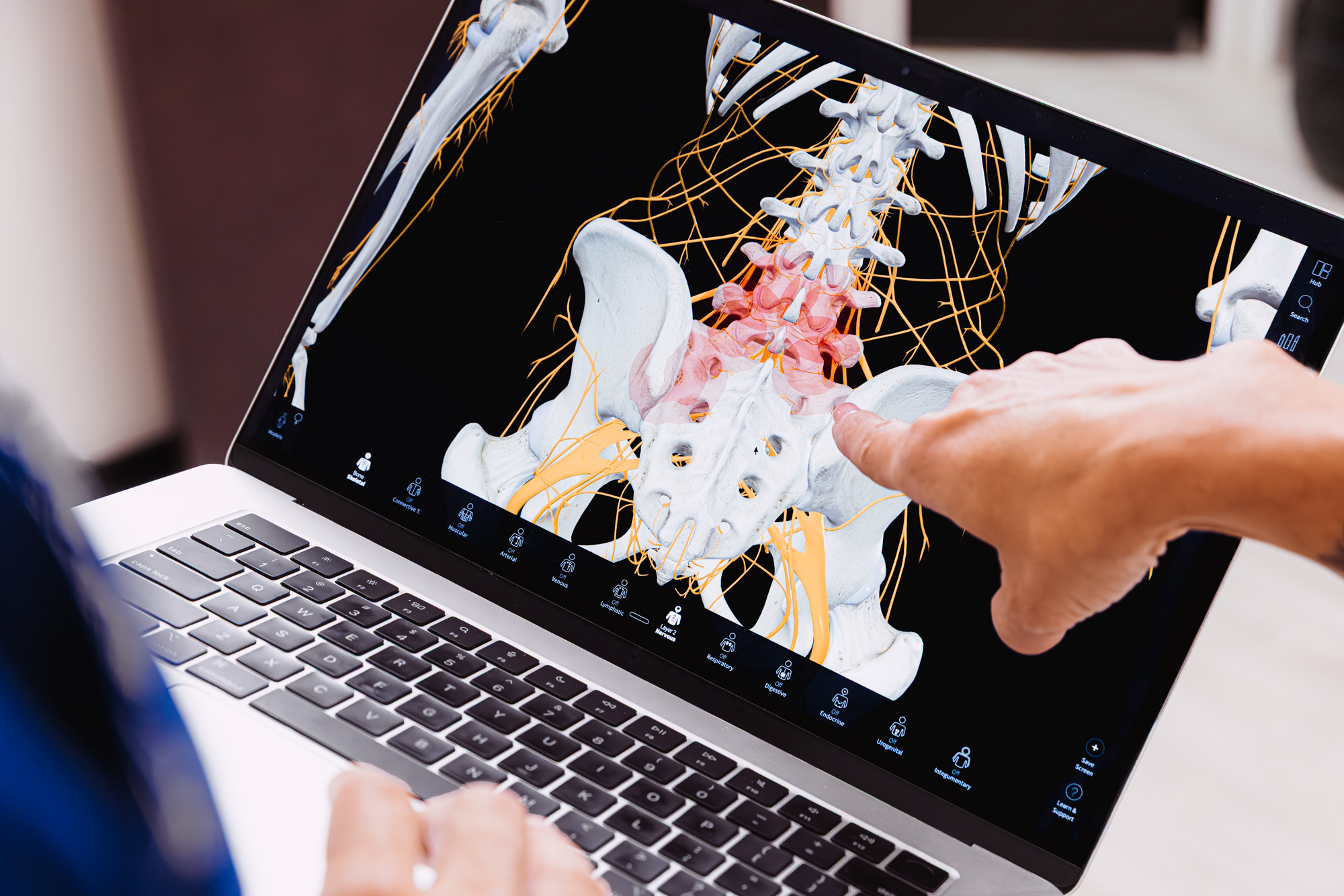
Epidural Blood Patch in Huntington, NY
Fast Relief for Spinal Headaches
Treatment Length:
120 minutes
Sessions Needed:
1 to 2
Downtime:
24 hours
Are you a candidate?
Try our screening tool.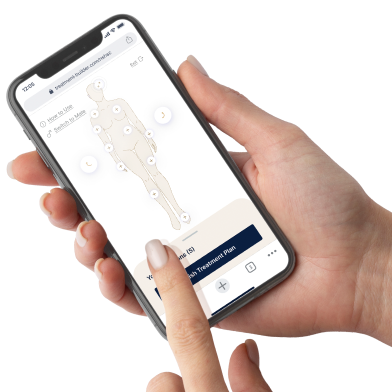
Epidural Blood Patch Overview
Strategic placement of an EBP can help relieve spinal headaches.

A small amount of your blood is drawn and carefully injected into the epidural space.
You will rest briefly after the procedure before going home the same day.
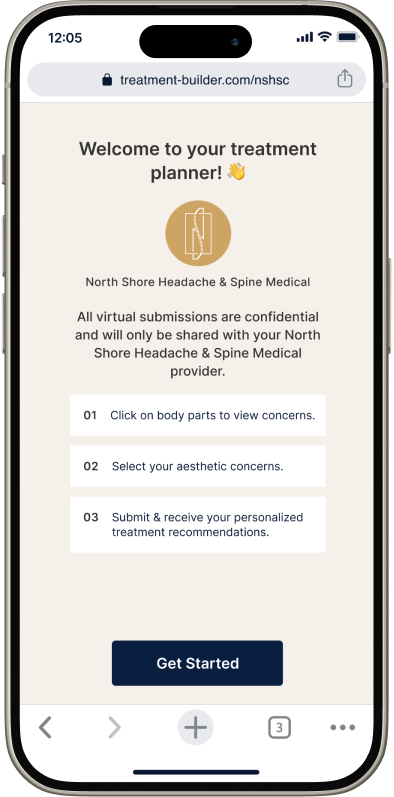

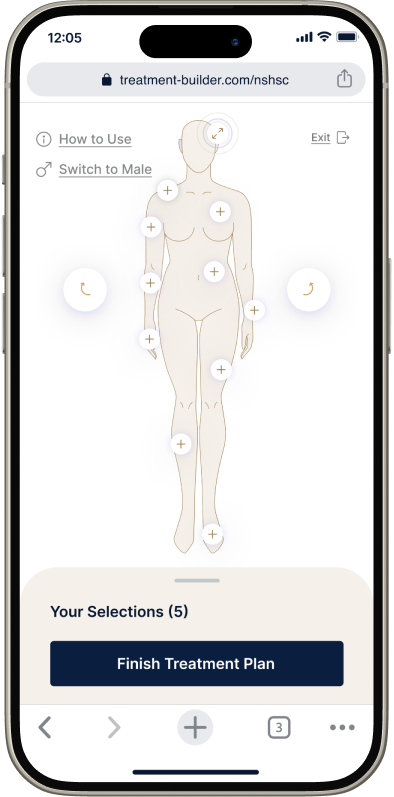
Find the Right Approach
Take a few minutes to tell us your concerns, and we can recommend treatment options.
Is an EBP Right for You?
An epidural blood patch may be appropriate if you’re experiencing the following:
Positional Headaches
These are worse when upright and better when lying down.
Post-Procedure Pain
Experiencing pain after a spinal injection.
Confirmed CSF Leak
This needs to be diagnosed or strongly suspected.
Conservative Care Failed
If your headaches don’t respond to hydration and rest.

Hear From Our Patients




Frequently Asked Questions
An epidural blood patch works by injecting a small amount of your own blood into the epidural space near the suspected leak. The blood forms a clot that seals the tear in the dura, helping restore normal cerebrospinal fluid pressure and relieving headache symptoms.
The entire appointment typically lasts 30 to 60 minutes. Patients are usually asked to lie flat for a short period afterward to allow the blood clot to stabilize.
Many individuals experience significant headache improvement within hours. For others, relief develops over the next day or two as pressure normalizes.
Most patients require only one epidural blood patch. In some cases, a second procedure may be recommended if symptoms persist.
Conservative treatments such as bed rest, hydration, caffeine, and pain medication may be recommended initially for mild cases. However, if symptoms persist or are severe, an epidural blood patch is often the most effective and definitive treatment.
At North Shore Headache & Spine, we specialize in diagnosing and treating complex headache conditions with an epidural blood patch in Huntington. Our expertise allows us to determine when an epidural blood patch is needed and to perform the procedure with precision and care.
An epidural blood patch (EBP) is a specialized procedure used to treat headaches caused by a cerebrospinal fluid (CSF) leak. These headaches—often called spinal headaches or post-dural puncture headaches—typically worsen when sitting or standing and improve when lying down.
CSF leaks can occur after spinal procedures such as lumbar punctures, epidurals, or spinal anesthesia. In some cases, leaks happen spontaneously. When spinal fluid escapes through a small tear in the dura (the membrane surrounding the spinal cord), it reduces pressure within the skull and spine. This pressure change can cause severe, positional headaches along with neck pain, nausea, and sensitivity to light.
An epidural blood patch works by sealing the leak. A small amount of your own blood is drawn and injected into the epidural space near the site of the suspected leak. The blood clots and forms a patch over the tear, helping restore normal spinal fluid pressure and relieving symptoms.
This is not a surgical procedure and only requires local anesthesia as it is minimally invasive. After your epidural blood patch in Huntington, it’s normal to experience stiffness or soreness at the injection site for a day or 2. Many patients have instant headache relief, while others require a second epidural blood patch to completely seal the tear and reduce chronic headaches. Aftercare is simple and requires rest for several days without strenuous activity or quick movements. Patients can use ice at the injection site for any discomfort and should drink lots of water.
Your Journey to Relief Starts Here
Take the next step toward clarity, comfort, and long-term health with guidance from our team.