

Botox works by temporarily blocking the nerve signals that cause muscles to contract. When injected into specific muscle groups, it reduces excessive muscle activity and decreases strain on surrounding joints and nerves. This relaxation effect can help alleviate the chronic tension, inflammation, and pain associated with migraines and TMJ disorders.

Medical Botox in Huntington, NY
Targeted Pain Relief
Relax Muscles Causing Chronic Pain
Botox is well known for its ability to relax away wrinkles, but that’s not the end of Botox’s abilities. At North Shore Headache and Spine, we use medical Botox in Huntington to help our patients address chronic pain, TMJ, and migraines.
Specific Conditions We Can Treat

Botox for Migraines
Reduce the frequency and severity of chronic migraines by calming overactive nerve pathways and decreasing muscle-triggered tension.
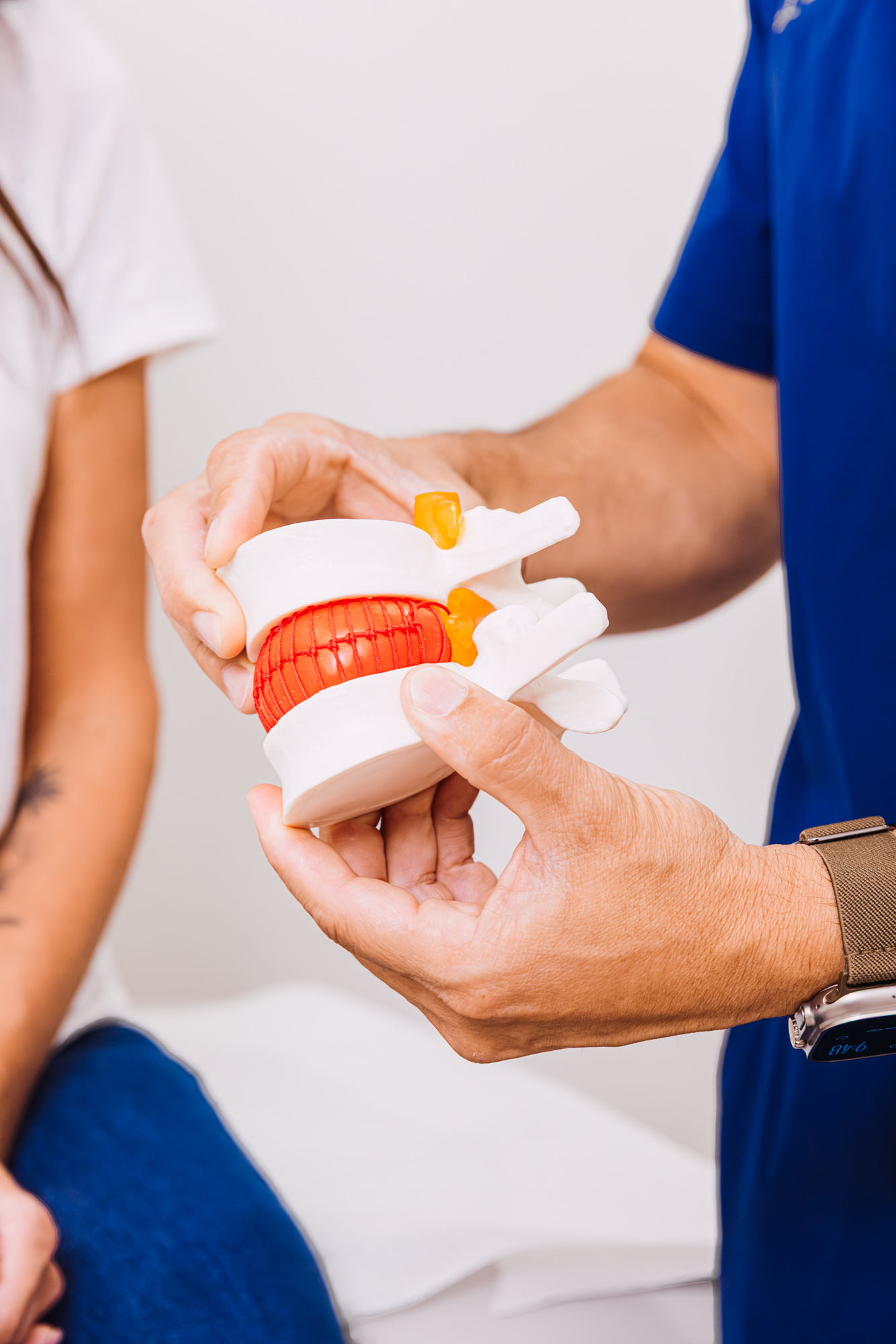
Botox for TMJ
Relax overworked jaw muscles to reduce clenching, grinding, facial tension, and associated headache symptoms.

Patient Prep
What to Expect at Your Appointment
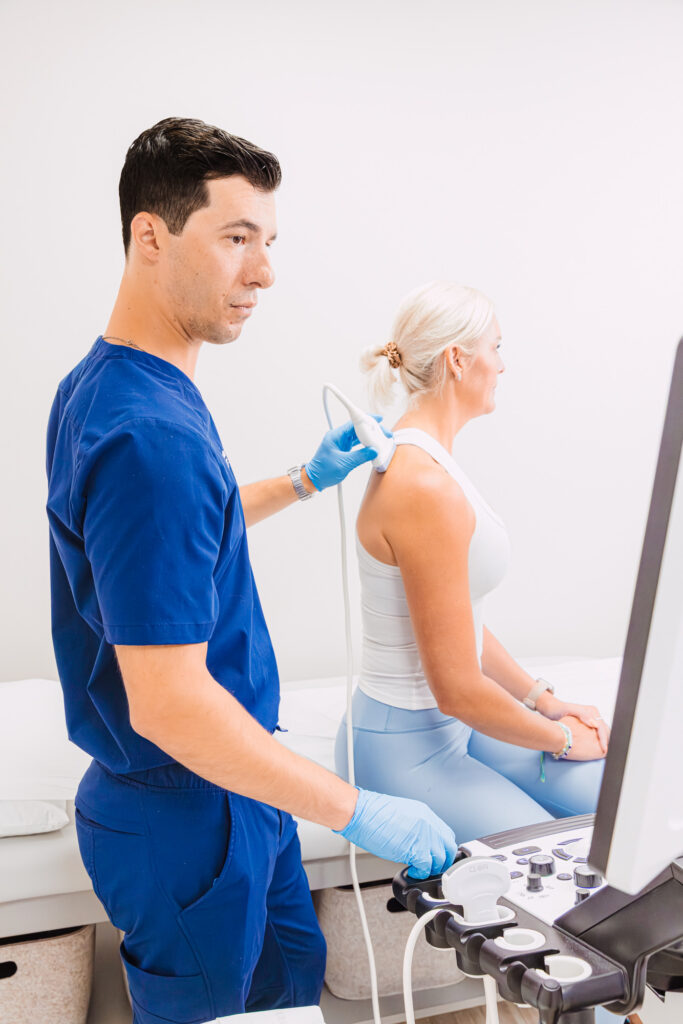
Medical Botox appointments are straightforward and minimally invasive. During your consultation, we will review your medical history, symptoms, and treatment goals. Injection sites are carefully mapped based on your specific condition.
The procedure itself typically takes less than 30 minutes. Most patients return to normal daily activities immediately afterward. While some people notice early improvement, full results generally develop within one to two weeks.
About Us
Your Pain Management Experts
At North Shore Headache & Spine, your treatment is administered by experienced medical professionals who specialize in chronic pain management. We understand the anatomy of facial, jaw, neck, and head musculature and how these systems contribute to persistent pain. Our approach combines clinical expertise with a personalized treatment strategy, ensuring your care is both safe and effective.


Hear From Our Patients
Frequently Asked Questions
Medical Botox is commonly used to treat chronic migraines, TMJ dysfunction, jaw clenching, and certain tension-related headaches. In some cases, it may also be used for muscle spasticity or other nerve-related pain conditions. A comprehensive evaluation determines whether Botox is appropriate for your specific diagnosis.
Many patients benefit from regularly scheduled maintenance treatments to sustain relief. The exact frequency depends on your condition, symptom severity, and how your body responds to treatment, but most patients schedule every 3 to 4 months.
Botox is temporary, with results typically lasting 3 to 4 months and appearing within 1 to 2 weeks. Regular treatments help maintain relief and prevent muscle overactivity.
Downtime for medical Botox is minimal. Most patients can resume normal activities immediately after treatment, though we recommend avoiding heavy jaw use for a few days to optimize results.
Yes. Medical Botox can be combined with physical therapy, medications, or other targeted treatments to enhance results for chronic conditions.
Your Journey to Relief Starts Here
Take the next step toward clarity, comfort, and long-term health with guidance from our team.