
We assess your symptoms, jaw function, and muscle tension to determine proper injection placement.
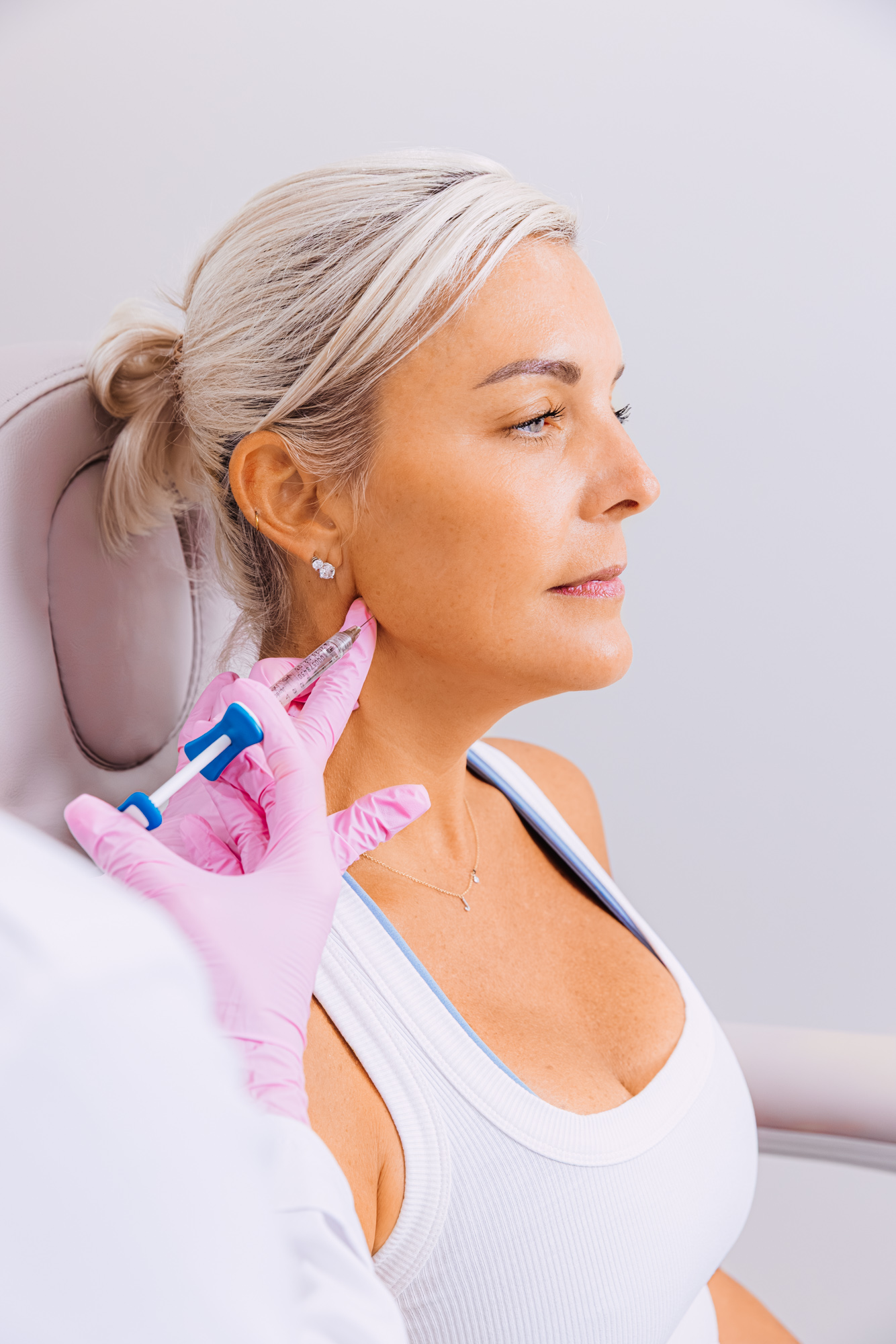
Masseter Botox in Huntington, NY
Targeted Jaw Tension Relief
Treatment Length:
30 minutes
Sessions Needed:
1+/ongoing
Results Duration:
3 to 4 months
Are you a candidate?
Try our screening tool.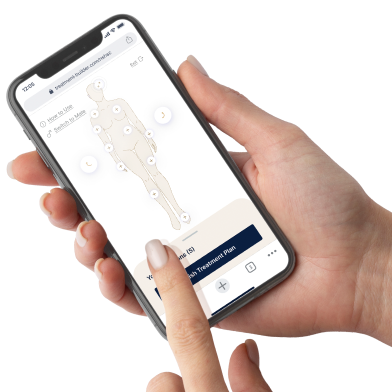
Botox for TMJ Overview
Targeted relief for jaw clenching and chronic tension.

Your provider will place small amounts of Botox into the masseter muscles on each side of the jaw.
You may return to normal activities immediately with minimal restrictions.
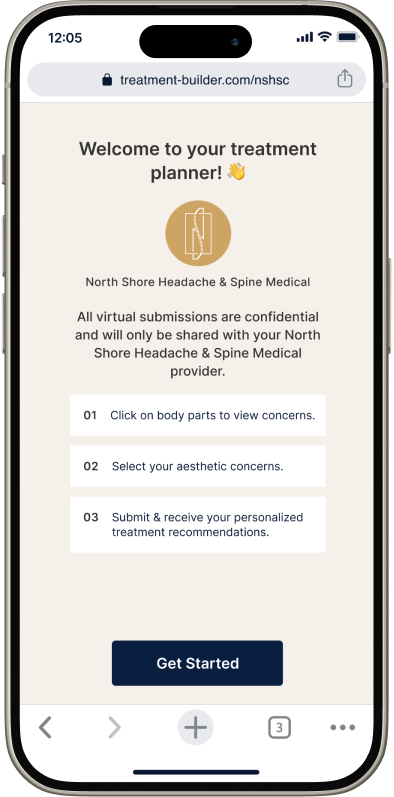

Find the Right Approach
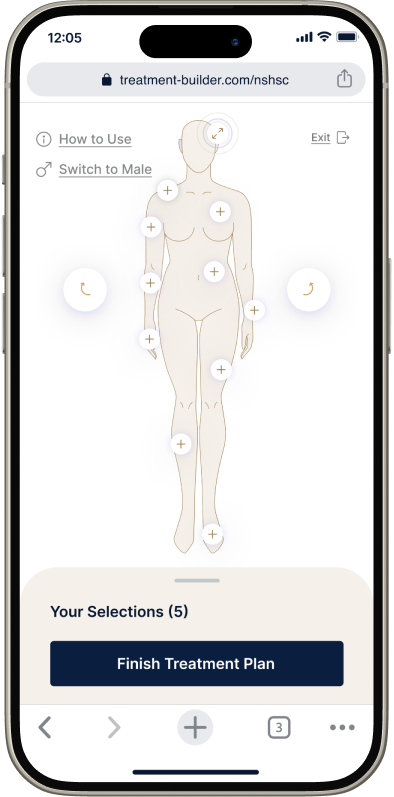
Take a few minutes to tell us your concerns, and we can recommend treatment options.
Is Botox Right for Your TMJ?
Jaw Pain Relief
Reduces pressure and strain.
Fewer Tension Headaches
Improves muscle balance.
Relieve Chronic Clenching
And frequent teeth grinding.
Non-Surgical Option
Avoid invasive procedures.




Frequently Asked Questions
Botox works by temporarily blocking nerve signals that cause the masseter muscles to contract forcefully. By relaxing these overactive muscles, the strain on the temporomandibular joint is reduced. The goal is to improve function and comfort without surgery.
Unlike mouthguards or temporary pain medications, Botox works by addressing the underlying muscle hyperactivity contributing to TMJ symptoms. When injected into the masseter muscle, Botox gently relaxes the area, reducing excessive clenching and strain on the jaw joint.
Over time, patients often experience decreased pain, fewer tension headaches, reduced jaw soreness, and less grinding at night.
The procedure typically takes about 30 minutes from start to finish. Most patients describe the injections as brief and tolerable. No anesthesia is required, and there is little to no downtime.
Botox does not provide instant relief. The medication gradually relaxes the treated muscles over several days. Many patients begin noticing reduced jaw tension within 1 to 2 weeks, with full results developing over the following month.
Most patients receive treatment every 3 to 4 months to maintain consistent relief with masseter Botox in Huntington. Some individuals experience improvement after their first session, while others notice optimal results after a second or third cycle. Your treatment schedule will be customized based on your response and symptom severity.
Botox is not considered a permanent cure for TMJ. Instead, it is an effective management tool that helps reduce muscle overactivity and associated pain. Many patients experience significant improvement in symptoms, allowing them to function more comfortably and avoid more invasive procedures.
Because TMJ symptoms can overlap with other head and neck conditions, proper diagnosis is essential. Our expertise in headache and facial pain allows us to develop personalized treatment plans that address the root cause of discomfort—not just the symptoms.
TMJ (temporomandibular joint) dysfunction can be caused by several factors, often working together:
- Teeth Grinding (Bruxism): Repeated clenching or grinding of the teeth, especially at night, strains the jaw muscles and joint.
- Muscle Tension & Stress: Emotional or physical stress can lead to unconscious jaw tightening, increasing pressure on the TMJ.
- Bite Misalignment: When the teeth or jaw don’t align properly, it can create uneven stress on the joint.
- Injury or Trauma: Accidents, falls, or blows to the jaw can damage the TMJ or surrounding muscles.
- Arthritis or Joint Degeneration: Wear-and-tear or inflammatory conditions can affect joint function and cause pain.
Often, TMJ pain results from a combination of these factors rather than a single cause. Addressing your overworked muscles and joint alignment is key to relief.
Your Journey to Relief Starts Here
Take the next step toward clarity, comfort, and long-term health with guidance from our team.