
When it comes to weight loss, it’s important to consider different options that can help effectively shed those extra pounds. Two popular weight loss medications are GLP-1 receptor agonist and Mounjaro. Let’s weigh the benefits of each to determine which medication is best for weight loss.
GLP-1 receptor agonist is a medication that has demonstrated effectiveness in promoting weight loss. It reduces your appetite and makes you feel fuller for longer periods. By stimulating certain brain receptors, It helps control food intake, decreasing calorie consumption.
On the other hand, Mounjaro suppresses your hunger by targeting certain areas of your brain that control food cravings and eating behaviors. As a result, Mounjaro signals your brain to reduce feelings of hunger and increase insulin secretion.
While both weight loss prescription drugs help individuals lose weight, they differ in terms of dosage, prescription lengths, side effects, and form. Keep reading for a complete breakdown of the two so you can decide which weight loss drug is best suited for you.
Understanding GLP-1 Receptor Agonists
GLP-1 receptor agonists the latest injection weight loss drug. First approved as a diabetes medication, it works to mimic hormones in the body that regulate blood sugar and suppress appetite. It is a great weight loss solution to help individuals slim down and lose troublesome pounds.
This medication is made up of amino acids that decrease blood sugar levels and regulate insulin. The injectable drug also mimics a hormone called glucagon-like peptide-1 that we naturally produce in our intestines. When injected, it suppresses your appetite and makes you feel fuller faster. As a result, it increases your metabolism and reduces cravings.
Typically, it is recommended for individuals with a body mass index (BMI) of 30 or higher or for those with a BMI of 27 or higher and an obesity-related health condition, such as diabetes.
Understanding Mounjaro
Mounjaro is the brand name for tirzepatide, an injectable diabetes prescription medication. Mounjaro is currently used for individuals with Type 2 diabetes to improve their blood sugar control. It works by helping control blood sugar levels and reducing appetite.
Mounjaro injections work by targeting hormonal pathways in the body that regulate appetite and metabolism. Specifically, Mounjaro activates two receptors that maintain key metabolic roles, GLP-1 and GIP, at the same time. These hormones regulate blood sugar levels and help patients lose weight. As a result, the activated receptors increase insulin secretion and lowers blood sugar levels. Therefore, it slows down how quickly food leaves your stomach, causing a reduction in appetite.
GLP-1 Receptor Agonist vs. Mounjaro Dosage
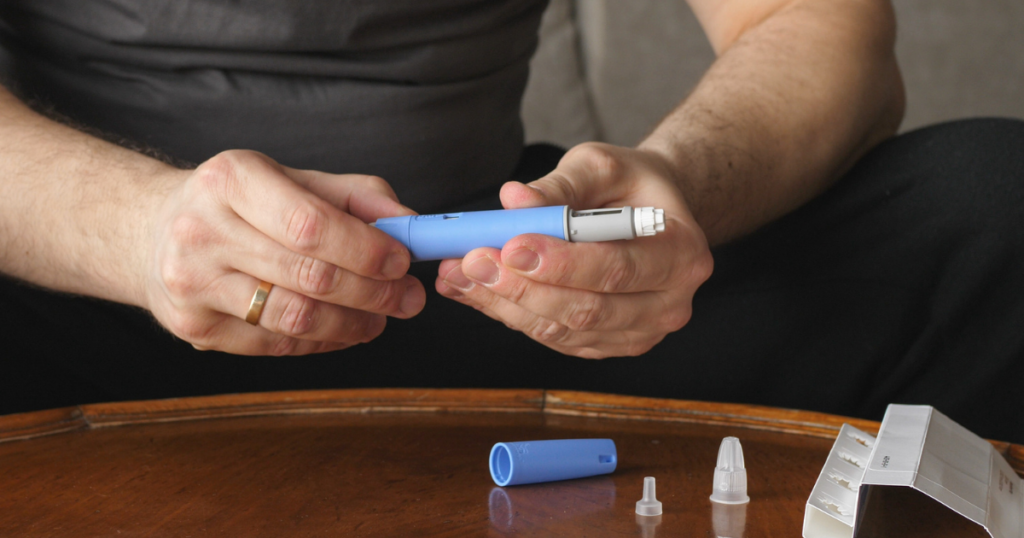
Once a doctor prescribes GLP-1 receptor agonist, patients inject themselves with the medication once every week. Possible injection sites include subcutaneous areas of the body such as the abdomen, thigh, or back of the arm. Individuals start off with a monthly dose of 0.25mg. The dose increases to 2.4mg depending on how much weight the individual desires to lose.
After a doctor prescribes Mounjaro, patients inject themselves with the medication once a week in the abdomen, thigh, or arm. Patients typically start with a weekly 2.5 mg dose. After 4 weeks, the dosage is increased to 5 mg weekly. The maximum Mounjaro dosage is 15 mg.
GLP-1 Receptor Agonist vs. Mounjaro Weight Loss Results in Long Island and Huntington, New York
With GLP-1 receptor agonist, you can lose up to 15% of your body weight, about 20 lbs. Clinical studies show an average weight loss of 15-20 pounds over a period of 26-30 weeks. On the other hand, Mounjaro studies show that you can lose up to 25 lbs. In a 52-week trial, participants receiving the highest dose of Mounjaro (15 mg) lost an average of 12.4% of their body weight. The amount of weight loss varies for each individual and should be discussed with a healthcare provider.*
Side Effects of GLP-1 Receptor Agonist vs. Mounjaro
Most people taking GLP-1 receptor agonist or Mounjaro in Huntington and Long Island, New York experience few side effects. Patients’ most frequent side effects with GLP-1 receptor agonist are nausea, diarrhea, and bloating. Other side effects include dehydration, constipation, and vomiting. However, these side effects are mild and improve with time. According to recent clinical trials, less than 5% of people stop taking this medication due to side effects.*
Mounjaro side effects are similar and include nausea, diarrhea, decreased appetite, vomiting, constipation, indigestion, and stomach pain. It is important to note that the severity and frequency of side effects vary from person to person.
Additionally, greasy, fried, and fatty foods are more likely to exacerbate these side effects. Eating foods that are high in saturated fats and sugars puts extra strain on your digestive system. Thankfully, you prevent or at least reduce these side effects if you watch what you eat and stick to a healthy, balanced diet.
What to Eat When Taking GLP-1 Receptor Agonist vs. Mounjaro
Both GLP-1 receptor agonists and Mounjaro work better when combined with a healthy lifestyle. Regular physical activity, eating slowly, and practicing portion control are essential for managing your weight, regardless of your medication. There are certain foods that can cause undesirable side effects while taking either medication. Additionally, some foods may make controlling blood sugar levels more difficult and achieve the best possible results.
When taking GLP-1 receptor agonists, you should focus on consuming balanced meals that are low in calories and fat. Opt for plenty of fruits, vegetables, and whole grains. Include lean proteins such as chicken, fish, and legumes in your diet. It is important to limit processed foods, sugary snacks, and drinks.
When taking Mounjaro, it is equally important to maintain a balanced diet. Choose nutrient-rich foods like fruits, vegetables, whole grains, and lean proteins. Limit high-saturated fat and sugary foods, as they may interfere with the medication’s effectiveness. Remember to stay hydrated by drinking plenty of water throughout the day.
Additionally, eating smaller meals, more frequently, about 3 to 4 small meals a day, will add to your weight loss success while taking GLP-1 receptor agonists and Mounjaro.
Since so many people struggle with what their diet while taking these popular treatments, we have put together an excellent guide for what to eat and what not to eat while taking Mounjaro.
What to Avoid When Taking GLP-1 Receptor Agonist vs. Mounjaro
Avoiding high-saturated fat, sugary foods, and foods high in sodium is key to minimizing the undesirable side effects of GLP-1 receptor agonists and Mounjaro. Greasy fast foods, fried foods, sugary sweets, and sodas should all be reduced. Additionally, caffeine and alcohol consumption should also be significantly reduced. Both can make these medication less effective. Caffeine affects hydration and blood sugar levels. Caffeine also causes your blood sugar levels to change. This increases the possibility of experiencing hypoglycemia when taking GLP-1 medication or Mounjaro.
To avoid these problems, limit your caffeine intake to one cup of coffee per day. If you experience unwanted side effects after consuming caffeine, reduce your caffeine intake or switch to a decaf coffee or tea.
Similarly, alcohol can worsen the side effects of these weight loss injections. By consuming too much alcohol, you can experience dehydration and lower your blood sugar levels. As a result, this increases the chances of experiencing nausea, vomiting, and diarrhea.
Will I Experience Withdrawal from GLP-1 Receptor Agonists or Mounjaro?
Medications like GLP-1 receptor agonists and Mounjaro are not stimulants. Therefore, they are not habit-forming. However, like any medication, it stops working when you stop taking it. If you suddenly discontinue use, your cravings return, and your blood sugar spikes. Patients with diabetes may experience blurry vision, fatigue, and excessive thirst and urination. Additionally, some patients become hungrier after accidentally missing just one dose of the medication.
Similar withdrawal symptoms and side effects are common if you stop taking Mounjaro. Symptoms include an increased appetite, spikes in blood sugar levels, increased cravings, and headaches. It’s important to taper off medication slowly rather than stopping abruptly to manage these symptoms. The severity of symptoms often depends on how long the medication is taken, the dosage, and the patient’s individual health needs.
Most Mounjaro reviews are positive and mention no withdrawal experiences.
Experience Advanced Weight Loss Solutions in Long Island and Huntington, New York
Mounjaro and other GLP-1-based treatments are both effective options to help you shed stubborn weight and reach your weight loss goals. Learn more about how these breakthrough weight loss medications will help you kick stubborn cravings and look and feel your absolute best by reaching out to North Shore Medical Wellness. Residents of Long Island and Huntington, New York, who seek help with weight management, look to our amazing facility to slim down and achieve long-term results.
To see if you are a good candidate for Weight loss injections or Mounjaro injections in Long Island, NY, weight loss injections, give us a call at (631) 551-5131 to schedule a complimentary consultation, or reach out to us online to learn more. We look forward to providing you with the best course of action for your weight loss goals.
DISCLAIMER:
*We offer compounded versions of GLP-1 Weight Loss, which are not FDA-approved in any manner or clinically proven to provide any benefits. References to these medications on this website pertain to compounded formulations and are not associated with or equivalent to their non-compounded counterparts. Compounded medications are prepared by licensed pharmacies as prescribed by healthcare providers, and their safety and efficacy have not been evaluated by the FDA. Please consult your healthcare provider for personalized medical advice.
Sources:
- https://www.mounjaro.com / what-is-mounjaro#about-mounjaro
- https://www.nejm.org/doi / full/10.1056/NEJMoa2032183
- https://dailymed.nlm.nih.gov/dailymed / drugInfo.cfm?setid=d2d7da5d-ad07-4228-955f-cf7e355c8cc0#section-2.1