

If you have been following health trends or celebrity news, you have probably come across tirzepatide, the active ingredient in the brand-name drug Mounjaro. It is getting a lot of attention in Hollywood and beyond for its role in managing type 2 diabetes. It is also drawing interest for its potential to support weight management.
Mounjaro is FDA-approved for treating type 2 diabetes. It is important to understand that every medication can have side effects. Understanding these risks is crucial for making an informed decision about starting treatment.
Here is a breakdown of the most common side effects of tirzepatide, how long they usually last, and practical tips to help you feel better as your body adjusts.
Why is Everyone Talking About Tirzepatide?

Tirzepatide is the active ingredient in Mounjaro and was originally to help people manage type 2 diabetes. It works as a dual GLP-1 and GIP receptor agonist. This means it acts like two important hormones in your body: glucagon-like peptide-1 (GLP-1) and glucose-dependent insulinotropic polypeptide (GIP). These hormones are released naturally after eating to help control blood sugar and metabolism.
Tirzepatide does this by:
- Slowing digestion, which can help you feel full longer
- Stimulating insulin to lower blood sugar
- Stopping the liver from making too much sugar
These effects make tirzepatide a strong choice for controlling blood sugar in people with type 2 diabetes.
Some people are also exploring how Mounjaro might aid in weight management, as it can impact digestion and appetite. It is important to know that tirzepatide is only FDA-approved for diabetes. Any weight-related benefits should be discussed with your provider.
Common Tirzepatide Side Effects and How to Handle Them
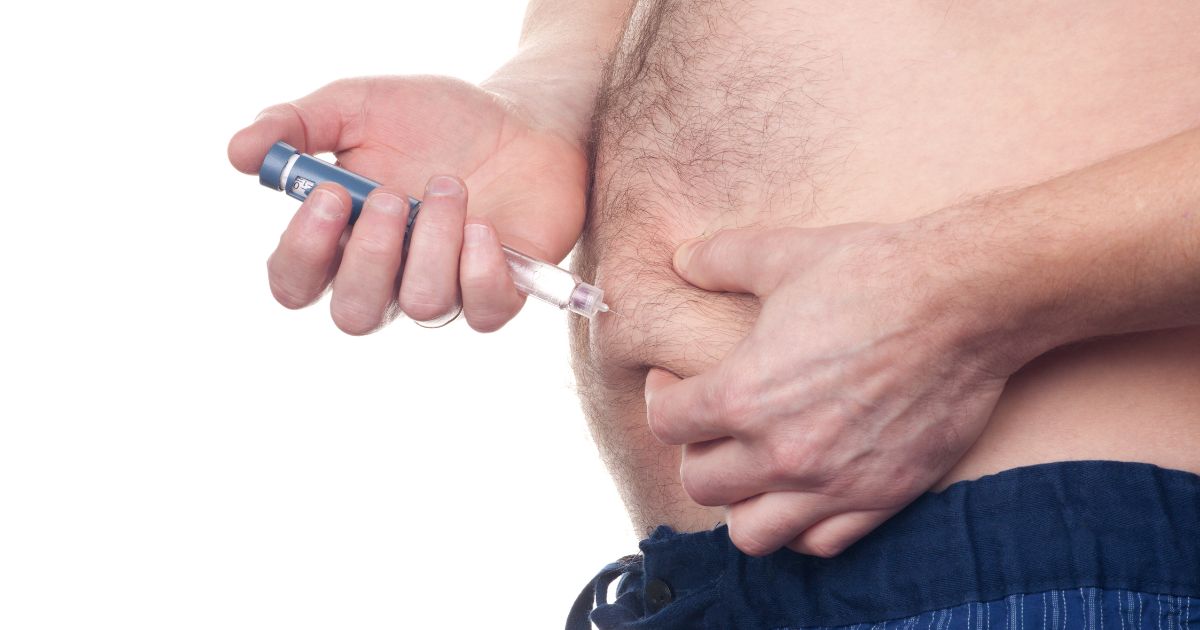
If you are thinking about using Mounjaro for diabetes or weight management support, you probably want to know what side effects to expect. Some people have very mild or no side effects. Others might need to tweak how they take the medication to feel more comfortable.
Side effects often happen when the dose increases too quickly or when treatment is not closely managed. This is especially true if you get injections from providers who are not qualified.
Working with a trusted healthcare professional is the best way to avoid issues. They can start you on a low dose and raise it slowly to keep you feeling your best.
Even when managed well, you might still have temporary side effects at the beginning or when adjusting your dose. Here is what to expect and how to handle it.
Nausea

Nausea is the most common side effect of medications that contain tirzepatide. Experts believe it is because these medications slow digestion. The good news is that most people find their nausea gets better after a few weeks.
To feel better:
- Avoid greasy, processed, and sugary foods
- Eat smaller meals more slowly
- Stop eating when you feel full
Bloating

Bloating can also happen because tirzepatide slows down digestion. You can ease bloating by drinking lots of water, avoiding carbonated drinks, and cutting back on foods like beans and lentils that make gas.
Constipation or Diarrhea

Some people feel constipated because digestion slows down. Drinking plenty of water and eating fiber-rich foods can help. Others might have diarrhea instead.
If you have diarrhea:
- Skip high-fat and greasy foods
- Reach out to your provider if diarrhea makes you feel dizzy or weak
- Your provider might suggest lowering your dose until you feel better
How Long Do Tirzepatide Side Effects Last?
For most people, side effects show up in the first few weeks of taking Mounjaro. They usually get better as your body adjusts. Some symptoms can come back for a short time after a dose increase. If you have side effects that do not go away, your provider might decide to stop the medication.
Ways to Prevent and Manage Tirzepatide Side Effects
Here are some tips to help you feel your best and manage side effects while using Mounjaro:
1. Eat a Balanced, Healthy Diet

- Focus on lean protein, whole grains, vegetables, and healthy fats
- Cut back on fried and processed foods
- Eat smaller meals more often
- Chew slowly and stop when you feel full
2. Stay Hydrated
- Drink lots of water and avoid carbonated drinks
- Herbal teas and electrolyte drinks can be helpful
3. Increase Fiber Slowly

- Add fiber foods like fruits, vegetables, legumes, and whole grains a little at a time
- Ask your provider if fiber supplements would be helpful
4. Take Supplements if Needed
- Diarrhea can cause you to lose electrolytes like sodium and potassium. Replace them with drinks or supplements if needed
- Probiotics or fermented foods like yogurt or kimchi can help gut health
- Multivitamins can make sure you are still getting the nutrients you need
5. Keep Moving

- Light exercise like walking, stretching, or yoga helps digestion and keeps you feeling good
- Wait a little after eating before doing hard exercise so you do not get nauseous
6. Practice Mindful Eating
- Listen to your body’s signals for hunger and fullness
- Eat slowly and stop before you feel too full
7. Stick to Your Provider’s Dose Plan

Most side effects happen when doses go up too fast. Let your provider guide you
8. Keep Stress in Check

Stress can make stomach issues worse. Try deep breathing, meditation, or gentle movement to relax
9. Stay in Touch with Your Provider
- Tell your provider about any side effects that do not go away
- They can adjust your dose or help you find ways to feel better
10. Watch Out for Common Triggers

- Alcohol can make nausea and diarrhea worse. Best to avoid it
- Cut back on caffeine if it bothers your stomach
Achieve Your Health Goals with Tirzepatide
Want to see if tirzepatide, the active ingredient in Mounjaro, could help manage your type 2 diabetes or support weight management with your doctor’s help? NS Medical Wellness is here for you. We are the top provider of these injections on Long Island, serving our Suffolk County clients from our conveniently located office in Huntington, NY. Call (631) 551-5131 and schedule your appointment today. We are here to help you find your healthiest self.